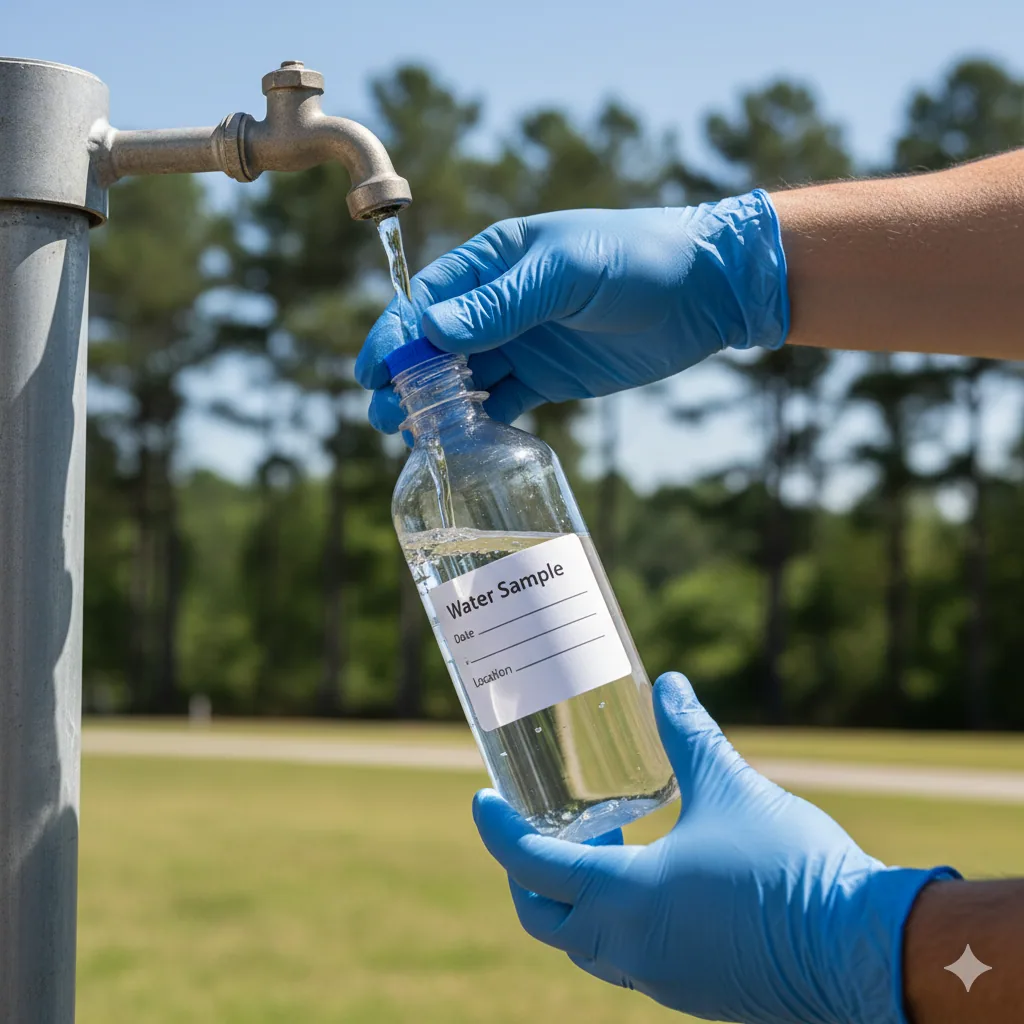
Well Water Testing in Dublin, GA
Private wells in Laurens County aren't monitored by any public agency. Annual well water testing is the only way to confirm your water is safe. Professional sample collection and certified lab testing covers bacteria, nitrates, iron, hardness, and more.
Get Free QuoteProfessional well water testing services are available for private well owners throughout Dublin, GA and Laurens County. Water samples are collected from residential and agricultural wells and sent for comprehensive lab analysis through state-certified laboratories. Testing covers coliform bacteria, E. coli, nitrates, iron, manganese, hardness, pH levels, and other contaminants commonly found in Middle Georgia groundwater. Serving homeowners in Dublin, East Dublin, Dexter, Dudley, and surrounding Laurens County communities with detailed lab reports, clear explanations, and treatment recommendations when issues are detected.
How much does well water testing cost in Laurens County?
Well water testing in Dublin, GA and Laurens County typically ranges from $75 to $300 depending on the test panel selected. Basic bacteria and nitrate testing is most affordable, while comprehensive panels covering iron, manganese, arsenic, and other contaminants cost more. Iron and manganese are the most common contaminants found in middle Georgia groundwater.
Professional Well Water Testing in Dublin, GA & Laurens County
Water samples are collected from your private well and sent for comprehensive testing through state-certified laboratories. Analysis covers contaminants most common in Middle Georgia groundwater, with detailed, easy-to-understand lab reports provided. If well water quality issues are discovered, clear treatment recommendations help you know exactly what to do next.
Tests Available
- Coliform bacteria and E. coli (most important — annual recommended)
- Nitrates and nitrites (especially important for infants)
- Iron and manganese (common in Laurens County groundwater)
- pH and hardness
- Arsenic screening
- Lead and copper
- Comprehensive panel (covers all of the above plus additional parameters)
- Real estate transaction water test (meets Georgia lender requirements)
Why Laurens County Well Owners Schedule Well Water Testing
No Public Oversight
Unlike city water, private wells in Georgia are not monitored by any public agency. You are entirely responsible for your well water quality. Annual well water testing is essential for every private well household in Dublin and Laurens County.
Local Contaminant Awareness
We know the contaminants common in Laurens County groundwater — elevated iron and manganese are typical, and bacteria in well water is a real risk after flooding or wellhead damage. Agricultural areas also carry nitrate risk. We'll recommend the right test panel for your specific location.
Certified Lab Results
All samples go to a state-certified laboratory. Results include interpretation notes and are accepted by real estate agents, lenders, and health departments throughout Georgia.
Fast Turnaround
Most standard test panels return results within 3–5 business days. Rush testing is available for real estate transactions with tight closing timelines.
Our Well Water Testing Process in Laurens County
Schedule & Collection
We schedule a visit, collect water samples from your well using certified protocols, and send them to a state-certified lab. Proper collection technique matters — field errors invalidate results.
Lab Analysis
Samples are analyzed by an accredited Georgia lab for your chosen test panel. Most results are returned within 3–5 business days.
Results & Next Steps
We explain your well water test results in plain language and recommend next steps if any levels exceed safe drinking water standards. We can address most issues through filtration and treatment options.
Well Water Testing FAQs — Dublin, GA & Laurens County
How often should I test my well water?
What contaminants are most common in Laurens County well water?
Is well water in Dublin, GA safe to drink?
What happens if my water test comes back with a problem?
Do I need a water test to sell my home in Georgia?
How do I prepare for a water test?
Can my septic system contaminate my well water?
Why is my well water discolored?
Why does my well water smell?
How much does well water testing cost in Dublin, GA?
Schedule Well Water Testing in Dublin, GA Today
Protect your family's health with certified Laurens County well water testing from Dublin Well Drilling. We serve private well owners throughout Dublin, East Dublin, Dexter, and all of Laurens County with comprehensive lab testing for bacteria, nitrates, contaminants, and water quality issues. Whether you need annual well water testing, pre-sale water analysis, or suspect a contamination problem, our water testing service delivers accurate results and clear recommendations. Contact us to schedule your certified well water test.
Schedule Your Water TestWe Serve Dublin & Laurens County
Schedule Your Well Water Test
Ready to get started? Fill out our quick quote form and a Dublin Well Drilling specialist will contact you promptly. Serving Dublin, GA and all of Laurens County, Georgia.
Get Your Free Quote →